Rebuilding your confidence and restoring your body’s natural shape after a mastectomy or trauma is a deeply personal journey, and breast reconstruction offers a way to feel whole again. Many patients seek this procedure to regain symmetry, improve self-image, or address physical discomfort caused by asymmetry or tissue loss. Whether you are considering reconstruction immediately following a mastectomy or as a delayed procedure, understanding your options – from implant-based techniques to autologous tissue reconstruction – can help you make informed decisions that align with your goals.
At Bafitis Plastic Surgery in Jupiter, the focus is on individualized care to guide you safely through each step of the reconstruction process.
Breast reconstruction is a surgical procedure designed to restore the shape, size, and appearance of the breast following mastectomy, lumpectomy, or injury. It can be performed using breast implants, the patient’s own tissue (autologous reconstruction), or a combination of both, depending on individual anatomy, health, and personal goals. The procedure not only helps rebuild the physical form of the breast but can also improve symmetry, posture, and overall confidence.
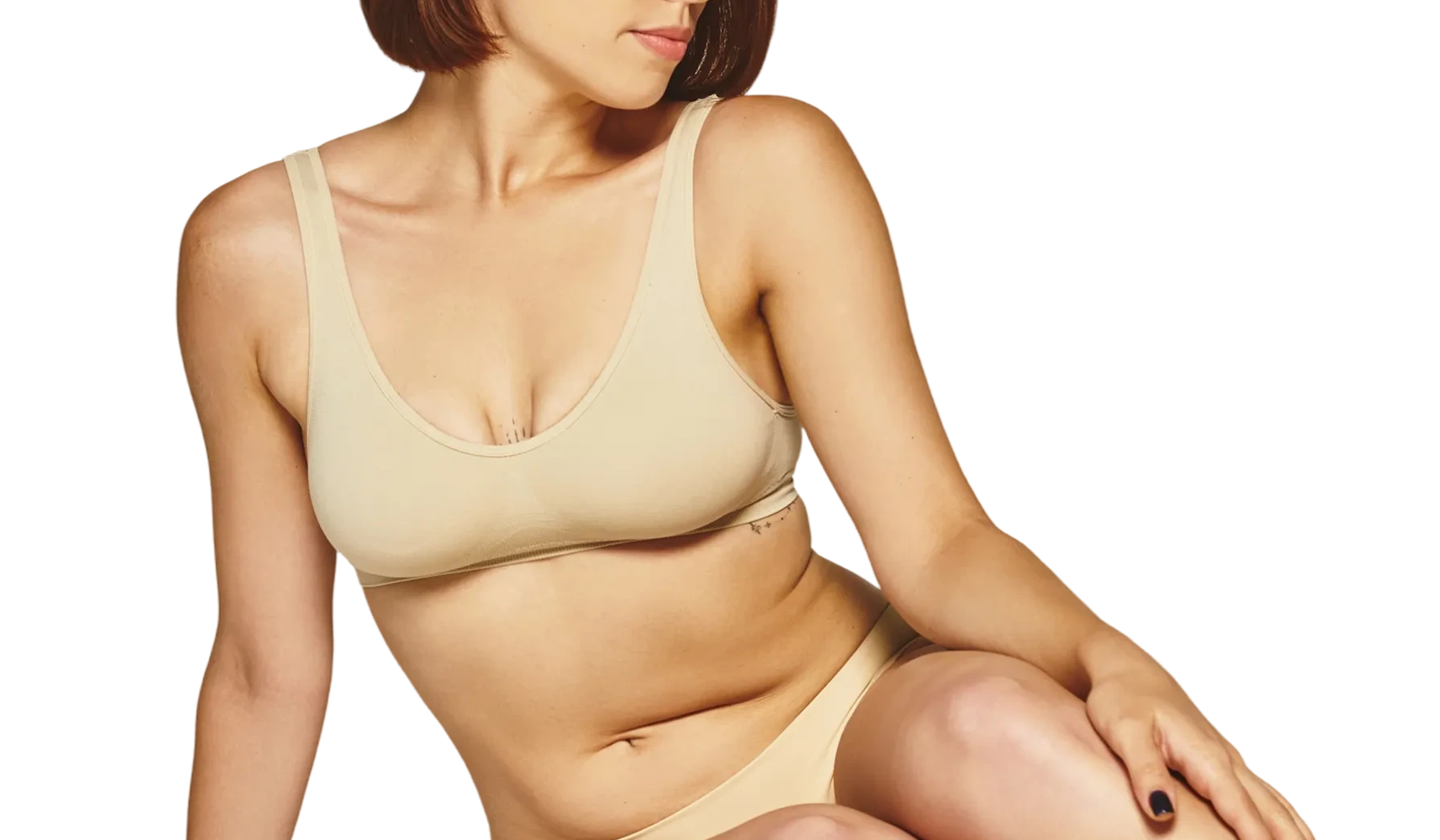
Implant-based reconstruction is one of the most common methods for restoring breast volume after a mastectomy. This approach uses saline or silicone implants to recreate the shape and fullness of the breast. It can be performed as a single-stage procedure or in multiple stages, often starting with a tissue expander to gradually prepare the area for the final implant. Implant-based reconstruction is typically less invasive than flap procedures and can provide a natural-looking result when carefully matched to the patient’s body and desired breast volume.
Autologous, or flap, reconstruction uses tissue taken from another part of the patient’s body – such as the abdomen, back, or thighs – to rebuild the breast. This method provides a more natural look and feel because it uses living tissue rather than an implant. Flap reconstruction can be especially beneficial for patients who want to avoid implants or who have had radiation therapy, as it often produces a softer breast shape. The procedure is customized to the patient’s body, offering the potential for improved symmetry and long-lasting results.
A combined breast reconstruction procedure integrates both implants and autologous tissue to achieve optimal shape, projection, and breast volume. This approach is ideal for patients who may need extra support or enhanced contouring that a single method cannot provide. By blending the benefits of flap reconstruction with implant technology, surgeons can fine-tune results to match the patient’s anatomy and aesthetic goals, offering a highly personalized solution for a natural and balanced appearance.
A combined breast reconstruction procedure integrates both implants and autologous tissue to achieve optimal shape, projection, and breast volume. This approach is ideal for patients who may need extra support or enhanced contouring that a single method cannot provide. By blending the benefits of flap reconstruction with implant technology, surgeons can fine-tune results to match the patient’s anatomy and aesthetic goals, offering a highly personalized solution for a natural and balanced appearance.
Your initial consultation with Dr. Bafitis is the first step in your breast reconstruction journey. During this visit, Dr. Bafitis will review your medical history, discuss your goals, and explain the reconstruction options that best fit your body and lifestyle. This personalized approach allows you to ask questions, explore techniques, and feel confident in the plan that will help restore your breast shape and overall well-being.

Breast reconstruction is performed under general anesthesia, ensuring that patients are completely comfortable and pain-free throughout the surgery. Dr. Bafitis works closely with an experienced anesthesia team to monitor vital signs and adjust anesthesia as needed, ensuring the procedure is performed safely and efficiently.
The type and placement of incisions depend on the reconstruction method chosen. For implant-based reconstruction, incisions are often made along the natural breast crease or around the areola to minimize visible scarring. In autologous (flap) procedures, additional incisions are required at the donor site, such as the abdomen, back, or thighs, to harvest tissue for breast reconstruction. Dr. Bafitis carefully plans all incisions to provide the most natural appearance while promoting proper healing.
For implant-based reconstruction, Dr. Bafitis may first place a tissue expander to gradually stretch the chest skin and create space for the implant. In flap reconstruction, healthy tissue, along with blood vessels, is carefully harvested from the donor site. This tissue is then shaped and transferred to the chest to reconstruct the breast, ensuring proper blood flow and a natural contour.
When using implants, the prepared pocket in the chest is filled with either a saline or silicone implant to restore breast volume. The implant is positioned to match the natural shape of the breast and achieve symmetry with the opposite side, if applicable. This step is often combined with adjustments to the surrounding tissue to refine the overall appearance.
In autologous reconstruction, the harvested tissue is carefully shaped to recreate the breast mound. Microsurgical techniques may be used to connect blood vessels from the flap to vessels in the chest, ensuring the tissue survives and integrates seamlessly. The flap is then secured in place to achieve the desired breast size, shape, and symmetry.
Once the reconstruction is complete, all incisions are meticulously closed with sutures. Drains may be placed to prevent fluid buildup, particularly in flap procedures or extensive implant-based reconstructions. Dr. Bafitis takes care to align skin edges precisely, which helps minimize scarring and promotes a natural-looking breast contour.
Immediately after surgery, patients are closely monitored in the recovery area. This is an outpatient procedure, so you will return home the same day. During this time, pain medication is typically prescribed to manage discomfort, and nurses provide guidance on caring for drains or dressings. Patients experience swelling and mild bruising, which are normal parts of the healing process.
During the first week, it’s essential to rest and avoid strenuous activity. Most women find that mobility is gradually improving, though lifting or reaching should still be limited. Dressings and drains are checked, and pain is managed with prescribed medication. Proper wound care and monitoring for any signs of infection are critical during this stage.
By weeks two to four, swelling and bruising begin to subside. Patients can usually resume light daily activities, but heavy lifting or intense exercise should still be avoided. Incisions start to heal and may appear pink or firm, and it’s essential to protect them from sun damage. Follow-up visits with Dr. Bafitis ensure the healing process is progressing as expected.
During the first three months, breast shape and symmetry continue to refine as swelling resolves. Patients feel more comfortable resuming normal routines, though sensitivity and mild tightness may remain. Scars continue to mature, and ongoing protection from sun damage helps minimize long-term discoloration.
Full recovery can take several months, especially for autologous (flap) procedures. Patients gradually regain strength and return to all regular activities. Pain is usually minimal at this stage, and pain medication is rarely needed. Continued scar care, sun protection, and follow-up with Dr. Bafitis ensure optimal results and lasting breast symmetry.
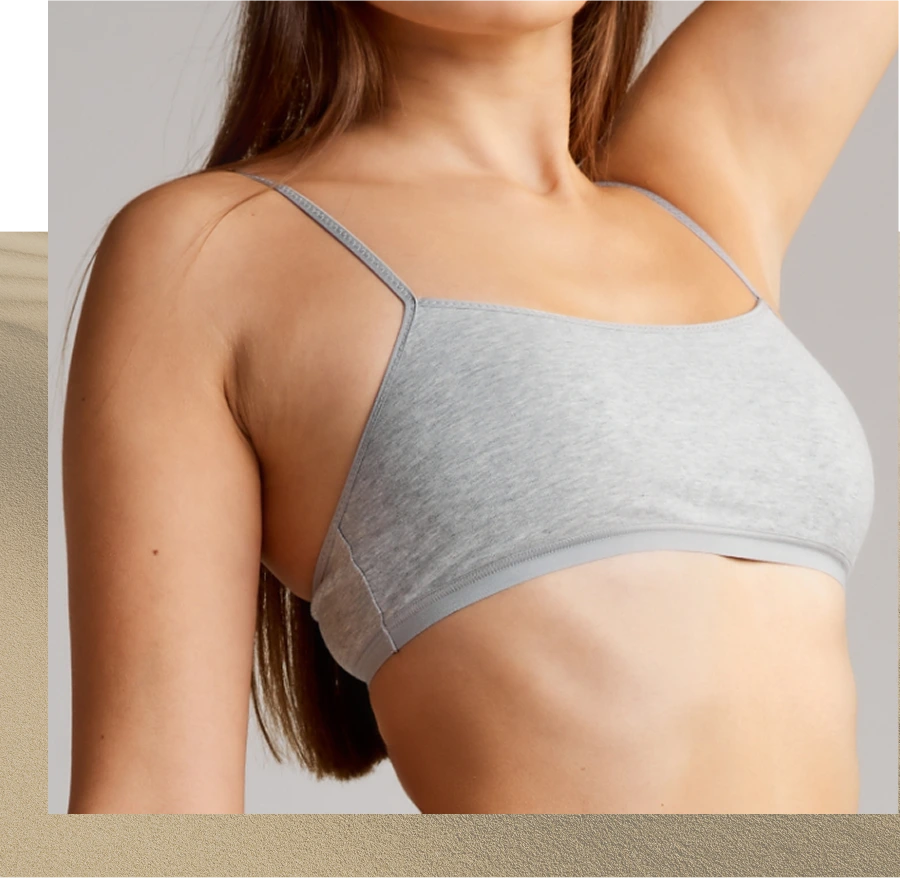
Breast reconstruction may be an option for anyone who has undergone a mastectomy, lumpectomy, or experienced trauma that affected the breast. Ideal candidates are in good overall health and have realistic expectations about the results of surgery. Most women seeking reconstruction do so to restore breast shape, improve symmetry, or regain confidence in their appearance. Factors such as prior radiation, body type, and personal goals are considered by Dr. Bafitis to determine the most appropriate reconstruction method, ensuring a safe and customized approach for each patient.
Restores breast shape, volume, and symmetry
Improves self-confidence and body image
Allows clothing and bras to fit more naturally
Can reduce physical discomfort caused by asymmetry
Offers a sense of wholeness and emotional healing after a mastectomy or trauma
Provides long-lasting, natural-looking results with personalized techniques

The cost of breast reconstruction in Jupiter, FL, typically ranges from $7,000 to $20,000, depending on the procedure’s complexity and the technique used. Factors such as implant-based versus autologous reconstruction, the need for a combined approach, and any additional procedures can influence the final price. During your consultation, Dr. Bafitis will provide a personalized estimate and discuss insurance coverage, helping you understand your options and plan for your reconstruction with confidence.
Dr. Bafitis and his team focus on a personalized approach that sets our practice apart for plastic surgery patients seeking breast reconstruction or enhancement. With experience across the full spectrum of breast procedures – including reconstructive procedures, male breast reduction, and other breast treatments – patients benefit from tailored solutions that match their goals and lifestyle. Combining advanced surgical techniques with a wide array of non-surgical options, our practice prioritizes natural-looking results, helping patients restore symmetry, improve contour, and regain self-confidence.
Breast reconstruction is frequently performed after breast cancer surgery to help many women restore their breast shape and confidence after treatment. Beyond the physical restoration, it can significantly improve self-esteem and overall emotional well-being. Through reconstructive surgery, patients can achieve symmetry and contour that complements their body, providing optimal results in appearance. Additionally, promoting breast cancer awareness encourages women to understand their options and make informed decisions about rebuilding after a mastectomy or lumpectomy.
Yes, fat transfer is an option for patients seeking a more natural approach instead of traditional implant reconstruction. This technique uses your own fat to enhance breast volume, resulting in natural results while avoiding the use of implants. Many patients find that fat transfer not only improves breast shape but also supports overall comfort and well-being, making it a viable alternative for the right candidates.
Breast reconstruction restores the breast after mastectomy or trauma, while breast augmentation surgery increases breast size using implants or fat transfer. Breast lift surgery, on the other hand, raises and reshapes the breast by removing excess skin and repositioning tissue to improve contour. Reconstruction is focused on restoring what was lost, while augmentation and lift are considered gold-standard treatment options for enhancing natural shape and volume.
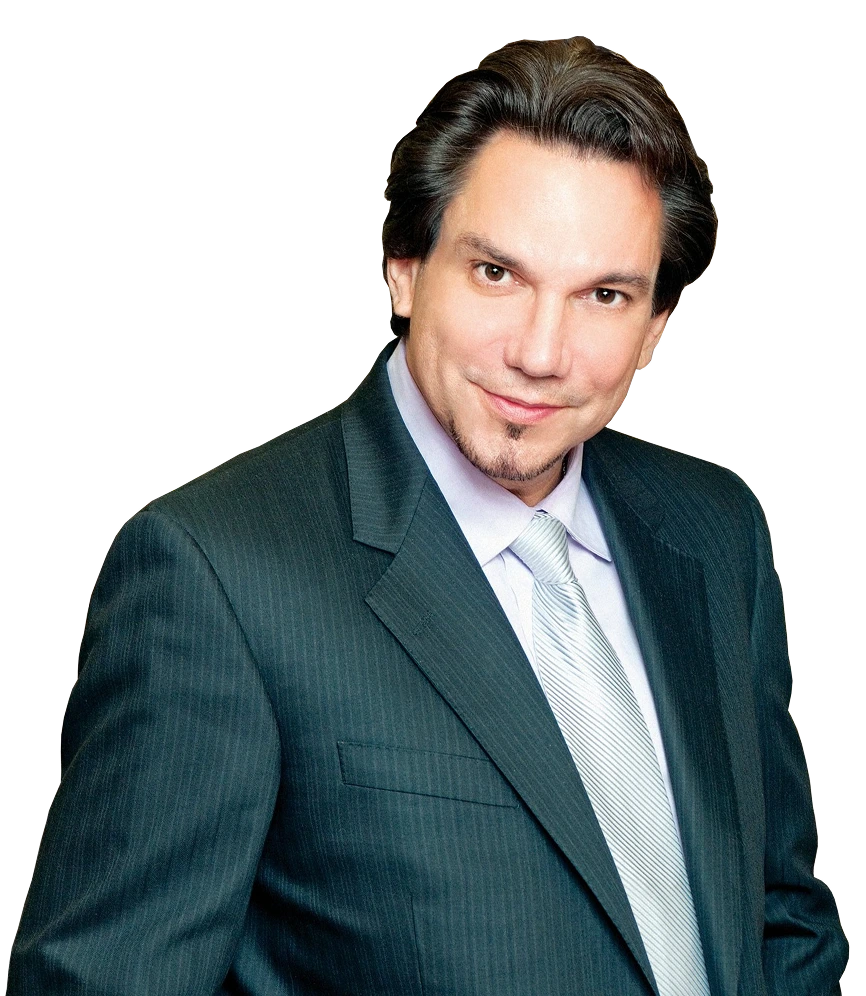
Yes. To achieve excellent results with breast reconstruction, Jupiter residents can trust Dr. Bafitis, who is a double-board-certified plastic surgeon with extensive training in modern techniques. His experience ensures safe procedures and results that prioritize both aesthetic outcome and patient well-being.
Absolutely. In addition to Jupiter, Dr. Bafitis welcomes patients from across Palm Beach County, including West Palm Beach, and throughout South Florida. Our practice specializes in procedures that restore and enhance the breast profile, helping patients achieve natural-looking, balanced results no matter where they live in the region.

About Us
Face
Facelift
Body Surgery
Medspa