
Most patients can resume light activity within a few days after breast augmentation, and light cardiovascular exercise around 2-3 weeks after surgery. Strenuous workouts – including chest exercises, heavy lifting, and high-impact cardio – usually need to wait until 6-8 weeks after surgery. Your personal timeline depends on how your body heals, the type of activity you engage in, and the guidance you receive from your surgeon.
This guide breaks down a realistic week-by-week plan, so you know what to expect as you ease back into fitness.
Recovery after breast augmentation is a gradual process. Your body needs time to close the incisions, manage swelling and bruising, settle the implants into place, and rebuild strength. Pushing too hard, too soon can slow healing and compromise your results.
Every patient heals differently, but a general timeline helps set expectations:
Days 1–3: Rest is the priority. You’ll feel tired, sore, swollen, and tight across the chest. Your main activity will be short, slow walks around your home to promote circulation.
First week: Swelling and discomfort peak, then begin to subside. Continue to avoid all lifting, pushing, or pulling. Light walking is encouraged; strenuous activity is off-limits.
Weeks 2–4: Energy returns and swelling decreases. Many patients are cleared to return to a desk job and light daily activities, and very light, low-impact exercise may be considered.
Weeks 4–6: Internal tissues continue to heal and strengthen. Workout intensity may gradually increase, but upper-body and chest exercises remain prohibited.
Week 6 and beyond: Many patients are cleared to resume most or all of their previous exercise routines. Incisions are well-healed, and implants are more secure.
12 weeks: Implants have typically settled, and the chest feels more natural.
Several things influence how quickly you can safely return to the gym:
Implant placement – implants placed under the muscle (submuscular) usually require a longer wait than those over the muscle, due to disruption of the pectoral muscle.
Implant size – larger implants can require more healing time.
Surgical technique – the type of incision used can affect healing times.
Combined procedures – if your breast augmentation was performed with a breast lift, your timeline is based on the more extensive procedure.
Your general health and fitness – age, baseline fitness, and adherence to post-op instructions all play a role, but a strong baseline doesn’t mean you can rush.
The type of work you do – a desk job allows an earlier return than physical labor.
The question of when you can work out after breast augmentation is one of the most common we hear at Bafitis Plastic Surgery. The answer is simple: when Dr. Harold Bafitis gives you clearance. Following his personalized advice is the single most important thing you can do to protect your investment and achieve a lasting result.
The goal is to move enough to keep blood flowing without straining the healing chest muscles or incisions. A safe return usually follows this pattern:
Light walking: within the first few days
Lower-body and low-impact movement: around weeks 2–3
Moderate cardio: around weeks 4–6
Chest, arms, and high-impact activity: around week 6 and beyond
The motto is “start low and go slow.” Any sharp pain, pulling sensation, or increased swelling is a signal to stop immediately and rest.
Placement matters more than almost anything when it comes to exercise timing.
Subglandular (over the muscle): The pectoralis major is less disturbed, so upper-body movement may be cleared a little sooner.
Submuscular (under the muscle): The muscle is stretched and manipulated and is involved in pushing, lifting, and many gym movements. Engaging your chest too early can shift the implants, increase pain and swelling, or cause bleeding. Avoid all chest exercises (push-ups, bench presses) for at least six to eight weeks, or until cleared by Dr. Harold Bafitis.
Dr. Harold Bafitis will discuss which placement fits your goals during your consultation, and your recovery plan will reflect that choice.
Not all exercise is equal during recovery. Knowing what to do is as important as knowing what to avoid.
Walking – the exercise for the first few weeks
Low-resistance stationary bike – raises your heart rate without impact (once cleared)
Lower-body workouts – leg presses, calf raises, bodyweight squats, and seated leg raises are generally safe once cleared, as they don’t engage the chest
Light stretching that avoids the chest
In the first six to eight weeks, avoid any exercise that strains the pectoral muscles or causes significant bouncing:
Push-ups, chest press (bench press), and pec flys
Pull-ups and lat pulldowns
Dips
Planks and other moves that load the chest and arms
Burpees
High-impact aerobics
Overhead lifting
Running and jumping create bouncing that puts significant strain on breast tissue and supporting structures. Do not run until you are at least six weeks post-op – sometimes longer – and have explicit clearance from Dr. Harold Bafitis. When you do start, invest in an extremely supportive, high-impact sports bra. Begin with a brisk walk or a walk-jog, then gradually increase distance and speed.
Strength training involving the chest and upper body is usually one of the last activities to resume. Start with the lower body first. For the upper body, begin with back and shoulder exercises before moving to chest exercises. When you begin:
Start with light weights and increase resistance gradually over several weeks
When cleared for chest workouts, reduce your normal weight by at least 50% and focus on perfect form
Avoid straining or holding your breath during lifts, and stop at any sign of pulling or discomfort
If you’re a competitive athlete, bodybuilder, or have a physically demanding profession, discuss this with Dr. Bafitis during your consultation. Plan ahead so surgery falls during an off-season or lighter period. Lower-body and cardio conditioning can often resume before chest and upper-body work, so you can maintain some fitness while protecting your results. Be honest about your training demands, so your plan fits your lifestyle.
Your recovery is personal, and no online timeline replaces professional guidance. Attend all follow-up appointments at our Jupiter office and call us if you notice:
A sudden increase in pain, swelling, or bruising
Any sign of infection, such as redness, warmth, or discharge from the incision
A noticeable change in the shape or position of one or both breasts
Sharp, pulling pain during any activity
Your follow-ups are the ideal time to ask when specific workouts are safe for you. To learn more, explore our breast augmentation page.
Returning to exercise after breast augmentation is a marathon, not a sprint. The plan is clear: rest and light walking in the first two weeks, gradual activity through weeks three and four, most workouts around week six, and full-intensity training near 12 weeks. Implant placement, your body’s healing, and the type of exercise all shape your timeline. By following the personalized guidance from Dr. Harold Bafitis, listening to your body, and reintroducing activity slowly, you can return to fitness safely and protect the results you worked for.
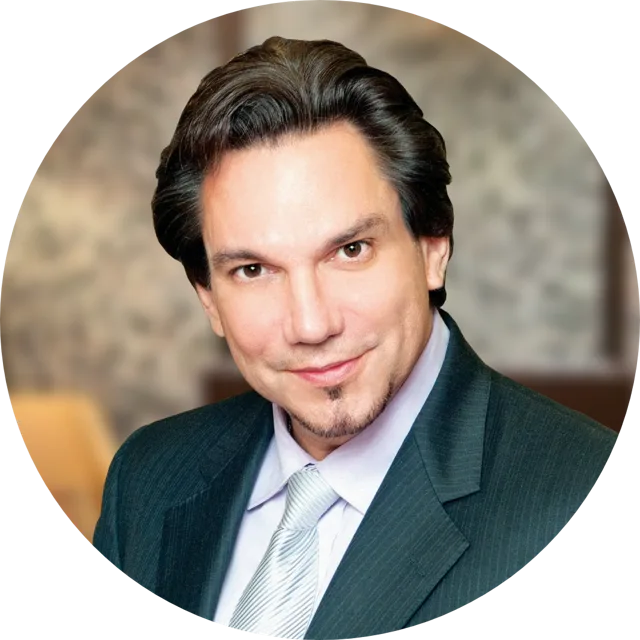
About the Author
Dr. Bafitis, Double Board-Certified Facial Plastic Surgeon
July 3, 2026

About Us
Face
Facelift
Body Surgery
Medspa